
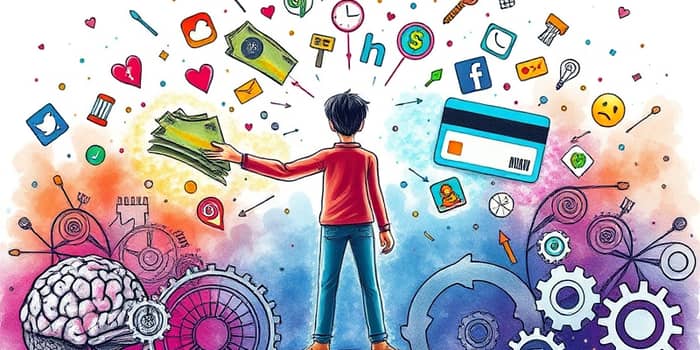
Consumer psychology is the scientific exploration of how thoughts, emotions, and behaviors influence purchasing decisions. This field merges insights from behavioral science, neuroscience, and marketing to unravel the unseen forces that drive individuals toward or away from purchases. By understanding the intricate interplay between internal needs and external cues, we can decode why some spending is deliberate and why other purchases happen on impulse. This knowledge empowers businesses, policymakers, and consumers themselves to foster better financial habits, design smarter marketing strategies, and promote overall well-being.
The path to a purchase typically follows five distinct stages, each shaped by unique psychological triggers and decision criteria. These phases map the progression from recognizing a need to reflecting on satisfaction after the sale, revealing opportunities for both influence and self-awareness.
Triggers vary at each step. Internal motivators like hunger, boredom, or emotional states can ignite a search for solutions, while external influences such as advertising, peer pressure, and trending topics guide consumers toward specific products or brands.
The concept of tangible discomfort of cash payments highlights how tactile transactions create a vivid sense of loss, often acting as a self-regulating barrier to excessive spending. Cash transactions are inherently visible and immediate, fostering restraint through emotional discomfort at parting with money.
In contrast, reduced psychological resistance to spending emerges with digital payments. Dubbed “Spendception,” this phenomenon reflects a diminished emotional connection to spending when using cards or mobile wallets. Lower transaction visibility, perceived convenience, and the absence of tangible loss all contribute to higher spending levels.
Data from a 2025 study of 1,162 respondents underscores how emotional detachment with digital payments amplifies unplanned purchases, revealing crucial patterns for both consumers wishing to curb impulses and businesses aiming to optimize conversion.
Emotions serve as primary purchase motivators. Consumers pursue positive feelings like joy, excitement, and belonging, or attempt to alleviate negative states such as anxiety, loneliness, or FOMO. Anticipation alone can trigger pleasure centers in the brain, making the mere prospect of owning a product rewarding.
Cognitive biases further shape decisions. Mental accounting leads individuals to assign different values to money based on its source or designated purpose. Anchoring effects establish initial price benchmarks, skewing perceptions of subsequent offers. Decision fatigue can impair judgment when overwhelmed by choices, often resulting in default or impulsive selections rather than optimal ones.
Humans are inherently social beings, and spending choices often reflect a desire to align with group norms. Power of social proof and endorsement can dramatically increase conversion rates, convincing individuals that a purchase is validated by their peers.
Meanwhile, environmental cues in retail settings—color schemes, ambient music, and strategic product placement—operate beneath conscious awareness to nudge consumers toward certain categories or purchase volumes, harnessing sensory stimuli for persuasive effect.
Spending patterns also diverge along personality lines. Certain traits predispose individuals to distinct shopping behaviors and financial habits, shaping responses to marketing strategies and budgeting techniques.
Recognizing these differences can guide personalized approaches, allowing businesses to tailor messaging and consumers to leverage self-awareness for better financial decisions.
Marketers frequently apply behavioral economics principles to steer choices. Techniques like scarcity messaging (“Only a few left in stock!”), time-limited offers, and dynamic pricing exploit fear of loss and urgency. Simultaneously, framing effects adjust perceived value: splitting costs into smaller installments often feels more manageable than a single large fee.
Sound marketing also integrates sensory elements—color psychology, scent marketing, and tactile packaging—to forge emotional bonds and encourage longer shopping durations. These emotional drivers and cognitive biases have measurable impacts on consumer engagement and spending velocity.
The rise of smartphone wallets, contactless cards, and app-based subscriptions accelerates Spendception, as consumers engage with money more abstractly and less viscerally. Younger generations, in particular, demonstrate a high comfort level with frictionless purchasing, reinforcing the trend toward impulsive, digitally enabled transactions.
However, technology can also support disciplined budgeting. Apps that categorize spending, set alerts, and enforce limits leverage establishing healthy budgeting habits through real-time feedback, gamification, and goal tracking, empowering users to balance convenience with fiscal responsibility.
Emotional responses after a purchase—satisfaction, pride, regret—play a pivotal role in repeat behavior and long-term financial well-being. Experiential spending, such as travel or learning opportunities, often yields more enduring happiness than material acquisitions, linking purchases to intrinsic goals and self-growth.
As the digital economy evolves, consumers and businesses alike must adapt. Understanding the interplay between psychology and spending enables smarter product design, ethical marketing, and informed policy interventions aimed at fostering both economic vitality and personal well-being.
Awareness of these psychological principles offers diverse applications. Businesses can refine campaigns to resonate ethically with target audiences. Policymakers can craft nudges and educational initiatives promoting financial literacy. Most importantly, individuals gain the power to identify their personal biases and triggers.
Adopt strategies such as clearing digital payment methods before shopping, setting predefined budgets with visual progress trackers, and pausing major purchases for reflection. By integrating self-awareness with structured routines, consumers can align spending with true values and long-term goals.
Ultimately, the psychology of spending reveals that choices are seldom purely rational. Embracing the rich tapestry of emotions, biases, and social influences equips us to spend more mindfully, market more responsibly, and cultivate lasting financial health.
References